
(ESRS E5-1, E5-6)
RESOURCE USE AND CIRCULAR ECONOMY

In line with our 2030 Sustainability Targets, we work to optimize resource use, integrate circular economy principles into our production processes, and reduce the consumption of natural resources.
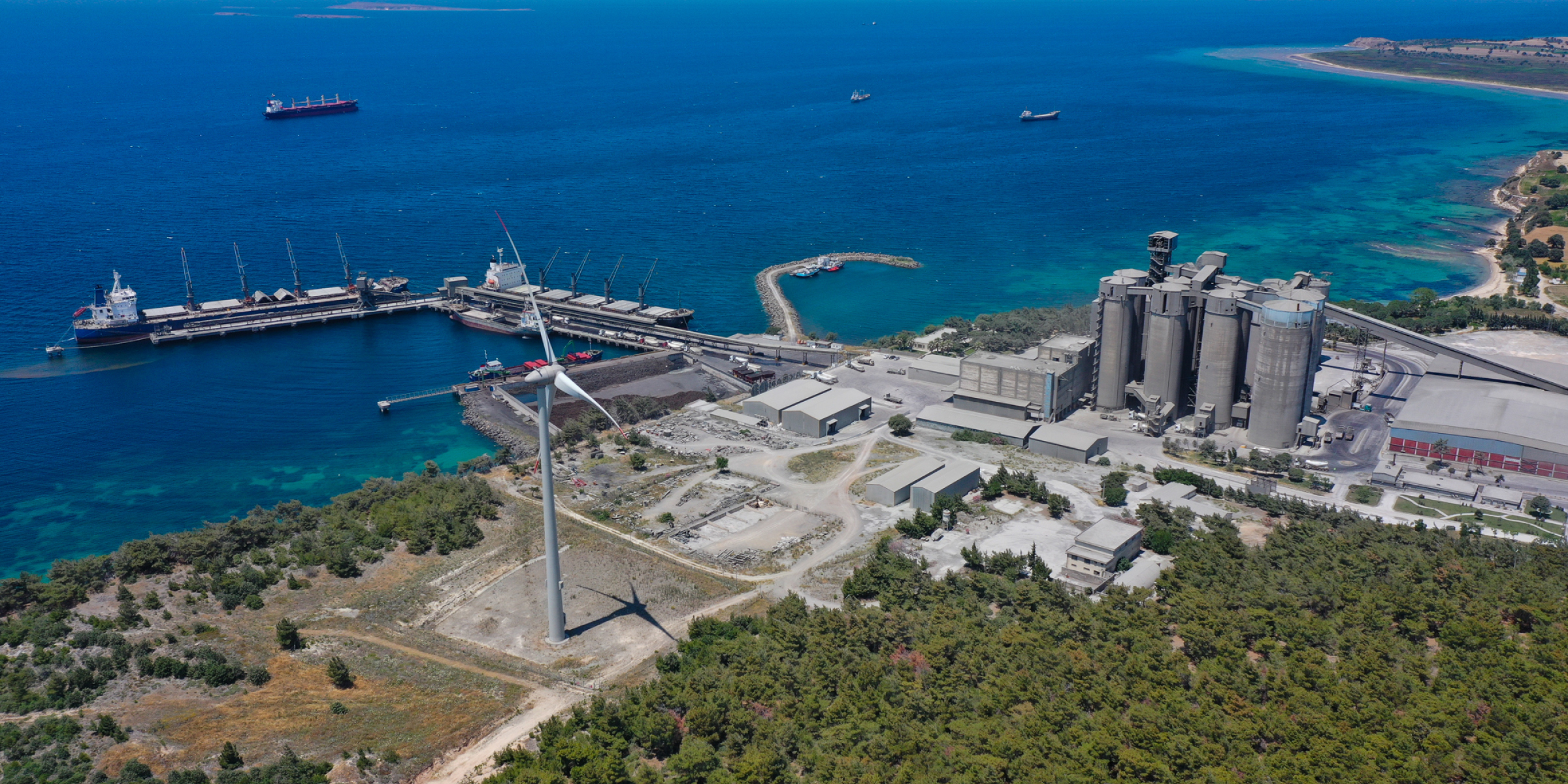
In our cement and ready-mixed concrete production activities, we improve our waste management processes by expanding the use of alternative raw materials and alternative fuels. We implement practices aimed at reducing the amount of waste generated and seek to manage waste more efficiently by increasing recycling rates. To enhance resource efficiency, we adopt practices that reduce the use of raw materials, promote the use of alternative and secondary materials, and support the principles of the circular economy. The integration of alternative raw materials into production, the use of recycled materials, and the zero-waste approach are among our priority focus areas. Our resource management and circular economy policies are shaped in alignment with the United Nations Sustainable Development Goals and the Paris Climate Agreement.
Accordingly:
We aim to increase the share of alternative raw materials used in order to reduce the consumption of natural resources.
In cement production, we lower the clinker ratio by utilizing mineral additives such as fly ash, slag, and similar materials, thereby limiting our environmental impacts.
In ready-mixed concrete production, we focus on increasing the use of recycled aggregates and other secondary raw materials.
Across all our production processes, we adopt an integrated waste management approach that reduces waste generation at the source and promotes recycling.
Recycling at Ready-Mixed Concrete Plants
At our ready-mixed concrete plants, we ensure the recovery of waste in line with the circular economy approach. The recycling of unused concrete originates from two main sources. The first source consists of materials returned due to customers ordering more concrete than required. The second source consists of waste generated during cleaning operations carried out in mixers and mobile pumps. As of 2025, recycling units are in operation at 25 of our 26 active ready-mixed concrete plants. In these recycling units, returned concrete is washed with water and converted into aggregate, which is then reused in production. In addition, the number of filter press units currently installed at eight plants is planned to increase to eleven by the end of 2026. Water generated from mixer cleaning is processed through filter presses. During this process, solid materials are separated while the remaining water is reused in concrete production. At plants where recycling units are not yet available, efforts are ongoing to convert returned concrete into aggregate through the use of mineral additives.
Through the recycling units at our ready-mixed concrete plants, a total of 42,598 tons of aggregate was recovered in 2025.
Risk, Opportunity, and Strategy Areas Related to Resource Use and Circular Economy
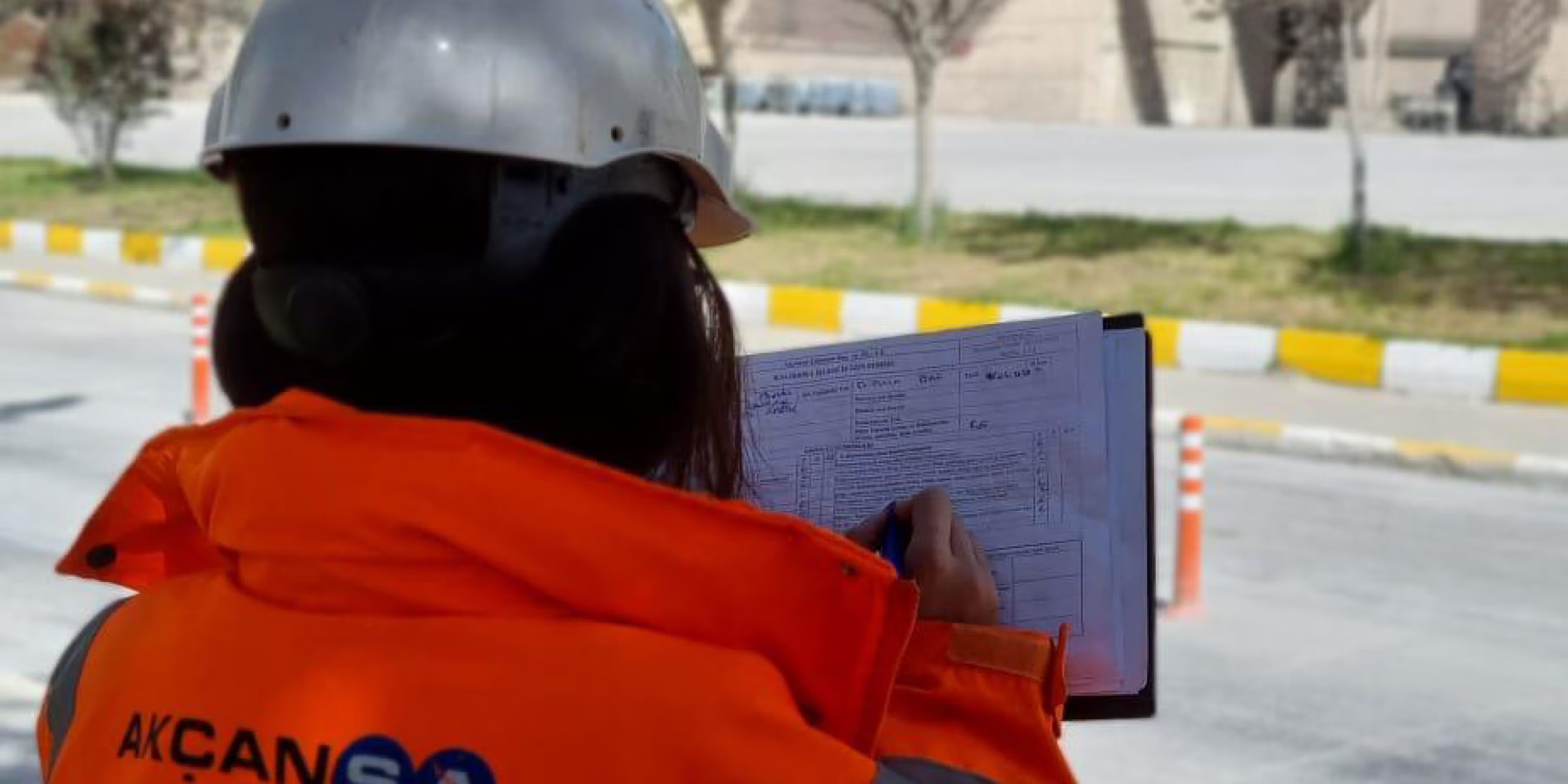
In order to identify risks and opportunities related to resource use and the circular economy, we utilize life cycle analyses, periodic environmental impact assessments, and stakeholder feedback mechanisms. By examining resource flows within our production processes, we regularly assess existing and potential impacts, risks, and opportunities across our operations and value chain.
Our approach to managing risks and opportunities related to resource use is continuously updated through data analyses, stakeholder insights, and continuous improvement efforts. During the risk identification process, waste classes are determined based on the waste and by-product codes defined by the Ministry of Environment, Urbanization and Climate Change of the Republic of Türkiye, and are evaluated in collaboration with the Environmental Directorate. The source of the waste and other potential sources in its vicinity that may influence the waste are also analyzed. In addition, potential environmental impacts arising from the use of waste following production, particularly flue gases, are assessed with the contributions of the Production, Quality, Environment, and Procurement departments.
Within the scope of opportunity analyses, the extent to which relevant waste streams can be used as substitute raw materials after undergoing specific processes within the framework of the circular economy is examined. Following cost-benefit analyses and environmental assessments, the necessary approvals are obtained for applications identified as opportunities, and the related waste disposal processes are carried out accordingly. The main risk areas we monitor in the short, medium, and long term within the scope of resource use and the circular economy are summarized below:
Depletion of natural resources: A decline in reserves of key raw materials such as limestone, clay, and aggregates, as well as difficulties in accessing these resources, may cause disruptions in the supply chain. This situation may lead to financial impacts such as cost increases, productivity losses, and potential decreases in revenue.
Regulatory and compliance risks: Legal changes in export markets and new regulations entering into force under national legislation require compliance with carbon taxation mechanisms and sustainability standards. In this context, practices such as the use of alternative raw materials and the production of low-clinker cement are becoming increasingly important. Failure to comply may result in additional costs and reputational risks.
Access to alternative raw materials and cost risk: Uncertainties in the supply of alternative raw materials such as fly ash and slag, as well as price fluctuations, may adversely affect cost management.
Alternative fuel supply and price volatility: Fluctuations in the availability and pricing of alternative fuels such as end-of-life tires and biomass fuels may make it more difficult to expand their use.
Challenges related to waste management: Ineffective management of the disposal and recycling processes for waste generated during production may lead to increased operational costs.
The key opportunities we assess in the short, medium, and long term within the scope of resource use and the circular economy are presented below:
Achieving cost advantages through the use of alternative raw materials: The use of alternative raw materials such as fly ash, slag, and recycled aggregates in cement and concrete production may reduce raw material costs and provide financial benefits.
Generating additional revenue through the development of waste recycling processes: The reuse of by-products and waste generated during production activities in different sectors may create new revenue opportunities.
Enhancing competitiveness by responding to demand for low-carbon and sustainable products: As demand for products with lower carbon emissions and recycled content increases, and as regulations evolve in this direction, our sustainable product portfolio may strengthen our market position and contribute to revenue growth.
In order to realize these opportunities, we increase the share of alternative raw materials in our production processes, invest in low-carbon production technologies, and further develop our waste management practices in line with the zero-waste approach.
In 2025, a workshop focusing on alternative fuels and alternative raw materials was organized. With the participation of the Clinker Utilization Ratio Committee and the Alternative Fuel Committee, the current situation was evaluated and roadmaps for the upcoming period were developed. In addition, potential collaborations with industrial organizations that generate high volumes of waste are being assessed. Through these collaborations, waste generated in different sectors is recovered and utilized within our operations, supporting the circular economy and reducing environmental impacts while also providing cost advantages for partner organizations.